Mediterranean Tiles Vector Pattern: A Comprehensive Guide for Digital Crafting and Design
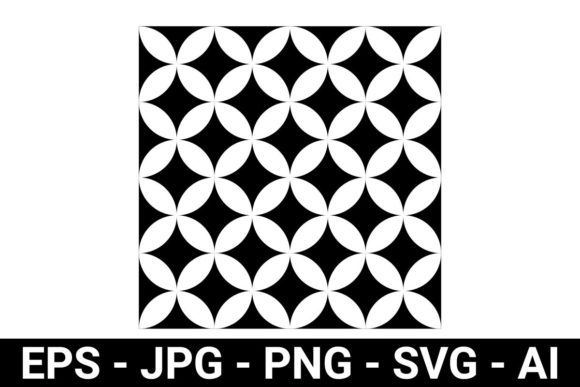
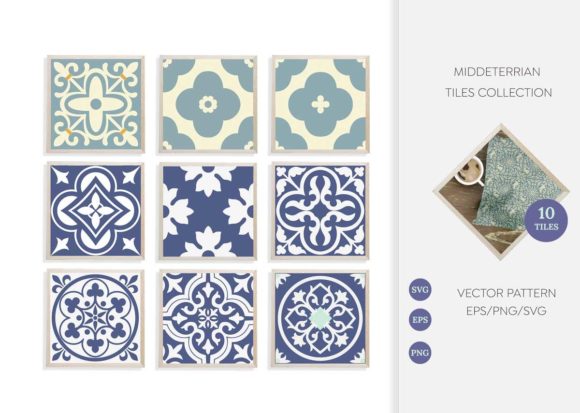
The Mediterranean Tiles Vector Pattern represents a distinct intersection of historical aesthetics and modern digital fabrication. For designers, hobbyists, and DIY enthusiasts aged 20 to 50, this specific graphic asset offers more than just visual appeal; it provides a versatile foundation for creating textured surfaces on a wide array of materials. Unlike raster images that pixelate when enlarged, vector-based patterns maintain crisp edges at any scale, making them an essential resource for projects involving precision cutting machines or high-resolution printing.
When evaluating design resources for crafting, the distinction between a simple image and a true vector file is critical. The Mediterranean Tiles Vector Pattern is engineered to be scalable without quality loss, allowing users to adapt a single design from a small decorative accent on a glass jar to a large-scale wall decal covering an entire room. This flexibility is what separates professional-grade assets from generic clip art, ensuring that the intricate details of the tilework remain sharp regardless of the output size.
Digital Formats and Machine Compatibility
The utility of the Mediterranean Tiles Vector Pattern lies heavily in its file structure. To maximize the potential of this design, creators must understand the specific capabilities of the included formats: SVG, EPS, and PNG. Each format serves a unique purpose within the workflow of major cutting machines like the Silhouette Cameo, Cricut Maker Explore, Brother ScanNCut, and Portrait series.
- SVG (Scalable Vector Graphics): This is the primary format for most modern cutters. It allows software to interpret lines and shapes rather than pixels, enabling the machine to follow the exact path of the tile outlines. This is ideal for vinyl decals, stencils, and laser cutting where precise edge tracking is required.
- EPS (Encapsulated PostScript): Often preferred by professional graphic designers using Adobe Illustrator, this format ensures compatibility with complex editing tools. It allows for deep customization of colors and shapes before the file is ever sent to a cutter.
- PNG: While not a vector format, the included high-resolution PNG is crucial for printing. If you are transferring the pattern onto wood, canvas, or furniture using a standard inkjet or laser printer, the PNG ensures the image prints clearly without blurring.
It is important to note that while these files are compatible with various brands, the specifics of the file content dictate the best application. The variety of formats allows for different types of cut machines, but users must consider the intricacy of the design relative to their equipment's capabilities.
Comparing Vector Patterns to Raster Alternatives
When exploring options for crafting, many users initially turn to raster images (JPG or low-res PNG) because they are ubiquitous online. However, comparing a standard raster image to a Mediterranean Tiles Vector Pattern reveals significant tradeoffs. Raster images are composed of a fixed grid of pixels. When a user attempts to resize a raster image for a large project, such as a kitchen backsplash or a full wall mural, the image becomes blocky and blurry. In contrast, the vector nature of the Mediterranean tiles means the mathematical equations defining the curves and angles are recalculated instantly for any size.
This distinction is vital for those planning to use the design on curved surfaces or irregular substrates. For instance, wrapping a pattern around a cylindrical vase requires distortion adjustments that are nearly impossible to achieve cleanly with a pixelated image. With vector data, the designer can manipulate the geometry of individual tiles to fit the curvature while maintaining the integrity of the design.
Material Applications and Surface Considerations
The versatility of the Mediterranean Tiles Vector Pattern extends to the physical materials used in DIY projects. Because the pattern mimics the look of traditional ceramic work, it pairs exceptionally well with natural and industrial textures. Common applications include decorative wood, painted furniture, glass, doors, and canvas.
Wood and Furniture: Applying this pattern to wooden surfaces often involves printing the design onto transfer paper or using the vector file to create a stencil for painting. The geometric nature of the tiles creates a striking contrast against the organic grain of wood, adding a touch of rustic elegance to coffee tables, headboards, or cabinet fronts.
Glass and Doors: For glass surfaces, the pattern can be applied as a frosted vinyl decal. The clean lines of the vector file ensure that the cut edges adhere smoothly to the glass, preventing bubbles or peeling that might occur with less precise designs. Similarly, on interior doors, the pattern can serve as a focal point, transforming a plain surface into a statement piece.
Ceramic and Tile Substitutes: One of the most innovative uses is simulating tiling on non-tile surfaces. By printing the pattern on adhesive-backed paper or using it as a guide for hand-painting, users can achieve the aesthetic of a tiled floor or wall without the cost and labor of actual masonry. This makes the Mediterranean Tiles Vector Pattern a cost-effective alternative for renters or those looking to update a space temporarily.
Limitations and Decision Factors for Die Cutting
While the Mediterranean Tiles Vector Pattern is highly adaptable, there are specific limitations regarding die-cutting that users must evaluate before purchasing or downloading. The prompt notes that small details make certain files unsuitable for die-cutting projects. This is a critical consideration for crafters who rely on heavy-duty die-cutting machines to produce intricate shapes from cardstock or thin metal sheets.
Die-cutting relies on physical pressure to push a blade through material. If a design contains tiny, isolated elements or extremely fine lines—common in detailed Mediterranean motifs—the blade may struggle to cut through completely, leading to broken pieces or incomplete cuts. Furthermore, "weeding" (removing the negative space from a vinyl cut) becomes exponentially difficult when the gaps between tiles are too narrow.
Therefore, the decision to use this pattern depends on the intended output:
- Large Items: Files with many details are best suited for larger items like wall signs, wall decals, or large canvas prints. On these surfaces, the resolution of the human eye does not detect minor imperfections, and the scale allows for easier handling of the cut pieces.
- Small Accessories: For small tags, jewelry boxes, or intricate keychains, a simpler version of the pattern with fewer details might be necessary. If the original vector file is too complex, users may need to simplify the design manually in their editing software before sending it to the cutter.
- Printing vs. Cutting: If the goal is purely print-and-adhere, the detail level is less of a concern. However, if the goal is to cut out individual tiles to assemble a mosaic, the structural integrity of the cut pieces must be considered.
Evaluating Cost and Customization Potential
When comparing this resource to other design options, the ability to edit color is a standout feature. The Mediterranean Tiles Vector Pattern is typically provided in formats that allow users to change the hue, saturation, and brightness of the tiles and background independently. This is a significant advantage over pre-colored raster images, which require complex photo-editing techniques to alter colors without losing quality.
For example, a crafter working on a coastal-themed nursery might want to shift the traditional terracotta and blue tones to soft pastels or mint greens. With a vector file, this transformation is instantaneous and reversible. This level of customization empowers users to match their existing decor exactly, eliminating the need to search for multiple variations of the same pattern.
In terms of value, the inclusion of multiple file formats (SVG, EPS, PNG) in a single download offers a higher return on investment compared to purchasing separate assets for cutting and printing. Users do not need to convert files using third-party converters, which often introduce errors or degrade image quality. Having the native source files ensures that the workflow remains seamless from the computer screen to the final physical product.
Conclusion: Is This the Right Choice for Your Project?
Selecting the right digital asset for a crafting project requires balancing aesthetic goals with technical constraints. The Mediterranean Tiles Vector Pattern is an excellent choice for users seeking a timeless, textured look that can be adapted to various scales and materials. Its strength lies in its scalability and the freedom it offers to modify colors and integrate with different cutting technologies.
However, it is not a universal solution. If your project involves creating miniature die-cut pieces with microscopic details, you may find the standard detail level of this pattern challenging. In such cases, simplifying the design or selecting a pattern with bolder lines would be a more prudent approach. Conversely, for large-scale wall installations, furniture makeovers, or custom printed decor, the vector format provides the precision and durability needed for professional results.
Ultimately, the decision rests on the specific requirements of the machine being used and the desired finish of the final product. By understanding the capabilities of SVG and EPS files and acknowledging the limitations regarding small-scale die cutting, creators can effectively leverage the Mediterranean Tiles Vector Pattern to produce high-quality, personalized designs that stand out in both digital and physical spaces.