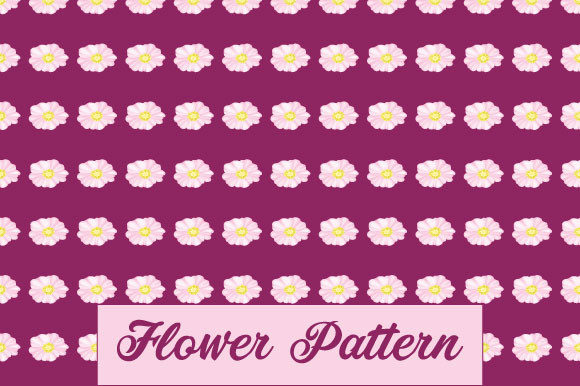
Flower Pattern Design Background: A Comprehensive Guide for Digital Creators
In the realm of digital art and print production, few elements are as versatile or universally appealing as a flower pattern design background. These intricate visual compositions serve as the foundation for countless creative projects, transforming simple surfaces into vibrant works of art. Whether you are a seasoned graphic designer, a small business owner looking to brand your products, or a hobbyist crafting personalized gifts, understanding the nuances of these patterns is essential for making informed decisions.
A flower pattern design background is not merely a static image; it is a structured arrangement of floral motifs that repeats seamlessly to cover an area. What makes this specific category distinct is its ability to balance organic complexity with geometric order. Unlike a single photograph of a bouquet, which offers a focal point but leaves large areas of negative space, a patterned background provides consistent texture and visual interest across the entire canvas. This distinction is critical when choosing between a high-resolution stock photo and a vector-based pattern for large-scale applications like wall murals or fabric printing.
Evaluating File Formats and Technical Requirements
One of the most significant factors in selecting the right resources is the file format provided. When sourcing a flower pattern design background illustration, the quality of the final output often depends on the software compatibility and the intended medium. The ideal resource package typically includes a comprehensive set of formats: AI, EPS, PNG, PDF, and JPG, all compressed within a single ZIP file for ease of access.
The AI (Adobe Illustrator) and EPS (Encapsulated PostScript) files are the gold standards for professional print work. These are vector-based formats, meaning they rely on mathematical equations rather than pixels to define shapes. This allows for infinite scalability without any loss of quality. If you plan to use a flower pattern for a large banner or to engrave onto a surface, these formats are indispensable. They ensure that every petal and leaf remains crisp, regardless of how much you enlarge the image.
In contrast, PNG (Portable Network Graphics) and JPG (Joint Photographic Experts Group) are raster formats. While they are more accessible and easier to use in standard editing software like Photoshop or Canva, they have resolution limits. A PNG file is particularly valuable because it supports transparency, allowing you to overlay the floral elements onto different backgrounds without a white box surrounding them. However, if you need to resize a raster image significantly, you may encounter pixelation. The PDF format serves as a universal bridge, preserving vector data while being viewable by almost any device, making it perfect for sharing proofs with clients or sending documents to commercial printers.
To utilize these files effectively, users must first extract the contents from the ZIP archive. This process is straightforward using tools like WinZip, WinRAR, or the built-in extraction features found in modern operating systems. Simply double-clicking the ZIP file or right-clicking to select "Extract All" will reveal the individual assets ready for use. Understanding this workflow is a prerequisite for anyone serious about integrating these designs into their projects.
Comparative Analysis: Digital Assets vs. Traditional Methods
When considering how to incorporate floral aesthetics into a project, creators often weigh the benefits of pre-made digital patterns against other approaches, such as hand-drawing, purchasing physical fabrics, or hiring a custom artist. Each option carries distinct tradeoffs regarding cost, time, and customization.
Cost and Efficiency
Digital downloads offer a compelling advantage in terms of budget and speed. Purchasing a complete package of flower pattern design background files is significantly more affordable than commissioning a bespoke illustration or buying rolls of specialized fabric. Furthermore, the immediate availability of the files eliminates shipping times. Once extracted, the assets can be applied instantly, allowing for rapid prototyping. For entrepreneurs testing new product lines, such as T-shirts or mugs, this agility is invaluable.
Customization and Flexibility
However, the primary limitation of pre-made patterns is the lack of total control over the original design. While vector files allow for color changes and scaling, the fundamental composition is fixed. In contrast, a hand-drawn approach or a custom commission offers unique artistic expression that cannot be replicated. Yet, for many use cases, the flexibility offered by digital files is sufficient. Users can manipulate the scale, rotate the orientation, or blend multiple layers to create something entirely new without needing advanced artistic skills.
Print Quality and Durability
Another critical comparison involves the end result's durability. Physical materials, such as printed textiles or wallpaper, degrade over time due to washing, sunlight, and wear. Digital files, conversely, remain pristine indefinitely. You can re-print a flower pattern design background illustration years later with the same fidelity as the day you downloaded it. This longevity is a key consideration for businesses that require consistent branding over long periods.
Diverse Applications and Use Cases
The versatility of a flower pattern design background extends far beyond simple decoration. Its utility spans a wide array of industries and personal hobbies, making it a staple resource for creative professionals.
- Event Planning and Stationery: Creating wedding invitations, party announcements, and greeting cards requires a touch of elegance. Floral patterns provide an instant atmosphere of romance or festivity. The ability to adjust the color palette via vector files ensures the design matches the event's specific theme perfectly.
- Apparel and Merchandise: From T-shirts to pillows, these patterns are ideal for sublimation printing and screen printing. Because the source files are available in high-resolution formats, the resulting garments maintain sharp details even after multiple washes. The seamless nature of the pattern ensures that designs wrap around curved surfaces, such as mugs or bags, without awkward breaks.
- Home Decor and Scrapbooking: DIY enthusiasts frequently use these backgrounds for scrapbooks and cutting machines. The high-contrast lines found in many illustrations make them perfect for die-cutting projects, where precision is paramount. Additionally, they serve as excellent digital backdrops for photography, adding depth to portraits or product shots.
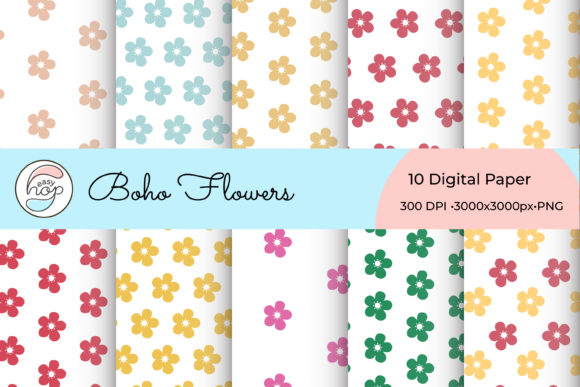
- Kids' Crafts and Educational Materials: Bright, colorful floral designs engage children and are widely used in educational worksheets, coloring pages, and craft kits. The simplicity of the underlying structure allows young artists to focus on creativity without being overwhelmed by complex imagery.
Decision Factors: Choosing the Right Resource
Selecting the appropriate flower pattern design background ultimately depends on the specific requirements of your project. There is no one-size-fits-all solution, and understanding the limitations of each format helps avoid costly mistakes.
If your goal is large-format printing, such as banners or wall decals, prioritizing vector files (AI, EPS) is non-negotiable. Raster images will appear blurry at these sizes, ruining the professional appearance of the final product. Conversely, if you are creating social media graphics or digital presentations, high-quality PNGs or JPGs are often sufficient and easier to handle in web-based editors.
Furthermore, consider the licensing and usage rights associated with the files. While many digital assets are available for commercial use, some may restrict certain types of merchandise. Always review the terms before mass-producing items like clothing or stickers. The inclusion of multiple file types in a single ZIP package is a strong indicator of a high-quality resource, as it demonstrates the creator's foresight regarding different user needs.
In conclusion, a flower pattern design background represents a powerful tool in the modern creator's toolkit. By leveraging the strengths of various file formats and understanding the comparative advantages over traditional methods, individuals and businesses can achieve professional results efficiently. Whether used for intimate family crafts or large-scale commercial ventures, these digital assets provide the flexibility and quality needed to bring floral visions to life.