Heart Paper Cutout Seamless Pattern: Strategic Use for Design, Branding, and Creative Projects
The Heart Paper Cutout Seamless Pattern is a versatile design asset that combines the timeless appeal of hearts with the functional benefits of seamless repetition. This pattern is not just an aesthetic choice—it’s a strategic tool that can enhance visual storytelling, support branding efforts, and elevate the quality of creative outputs across multiple industries. Whether you're designing a wedding backdrop, creating packaging for a luxury product, or crafting digital assets for a website, this pattern offers a unique opportunity to align form with function.
Understanding the Heart Paper Cutout Seamless Pattern
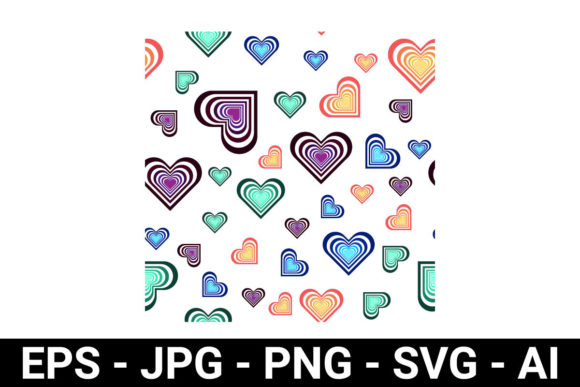
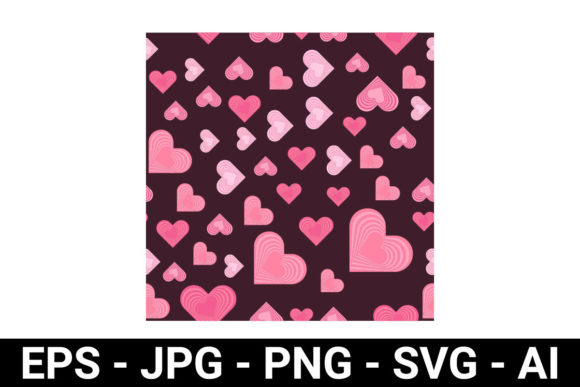
The Heart Paper Cutout Seamless Pattern features intricately designed heart shapes that are arranged in a way that allows them to repeat seamlessly without visible seams or breaks. This makes it ideal for use as a background, wallpaper, or decorative element in both digital and print formats. The pattern is available in multiple file types including AI, EPS, SVG, JPG, and PNG, ensuring compatibility with a wide range of design software and output methods.
What sets this pattern apart is its ability to maintain visual harmony even when repeated across large surfaces. The delicate cutouts and soft edges give it a tactile, handcrafted feel while still retaining the precision required for digital applications. This duality makes it particularly well-suited for projects that aim to evoke emotion, such as Valentine's Day promotions, romantic weddings, or sentimental greeting cards.
Strategic Applications in Design and Marketing
When used thoughtfully, the Heart Paper Cutout Seamless Pattern can become a powerful component of your visual identity. For marketers and brand strategists, it serves as a subtle yet effective way to convey themes of love, connection, and celebration. Its versatility allows it to be adapted to various contexts—from minimalist fashion illustrations to bold, vibrant wrapping paper designs.
Consider using this pattern in the following scenarios:
- Wedding Decor: As a backdrop or part of table runners, the pattern adds a romantic and elegant touch that resonates with couples and guests alike.
- Promotional Materials: Incorporating the pattern into Valentine's Day campaigns can help create a cohesive and emotionally engaging brand experience.
- Fashion Design: When applied to fabric or printed textiles, the pattern brings a sense of movement and fluidity that complements modern and classic styles alike.
- Graphic Design: In digital contexts, the pattern can serve as a background for websites, social media posts, or email templates, enhancing user engagement without overwhelming the content.
Planning and Implementation Considerations
Before integrating the Heart Paper Cutout Seamless Pattern into your project, it's important to consider how it will interact with other design elements. While the pattern is visually appealing on its own, its effectiveness depends on how well it aligns with the overall design language of the project.
Here are some key considerations:
- Color Harmony: The pattern is often associated with pink hues, but it can be adapted to a wide range of color palettes. Choose colors that complement your brand or event theme.
- Scale and Repetition: Test the pattern at different scales to ensure that the repetition doesn't become distracting. A larger scale may be more suitable for physical materials like wrapping paper, while a smaller scale works better for digital backgrounds.
- Contextual Relevance: Ensure that the use of the pattern supports the message or purpose of the project. For example, using it in a corporate setting might require a more subdued application compared to a romantic-themed event.
- Technical Compatibility: Verify that the file format (AI, EPS, SVG, etc.) is compatible with the tools and platforms you're using. This ensures smooth implementation and reduces the risk of technical issues.
Maximizing Impact Through Intentional Use
The Heart Paper Cutout Seamless Pattern should never be used in isolation or without clear intent. Instead, think about how it can contribute to a larger narrative or visual strategy. For instance, in a wedding context, it could be paired with complementary patterns or textures to create a layered and cohesive look.
For entrepreneurs and small business owners, this pattern can be a valuable asset in creating branded merchandise, packaging, or promotional materials that stand out in a crowded market. It's also useful for educators and content creators who want to add a personal or emotional touch to their work.
One practical approach is to use the pattern as a base layer and then overlay text, images, or other graphics on top. This allows for greater flexibility while maintaining the visual integrity of the pattern. Additionally, experimenting with variations—such as adjusting the spacing between hearts or altering the shape slightly—can lead to fresh and innovative uses.
Risks and Mitigation Strategies
While the Heart Paper Cutout Seamless Pattern offers many benefits, there are potential risks if it's not used with care. Overuse or misuse can lead to a cluttered or unprofessional appearance. For example, applying the pattern too densely on a background may make it difficult to read accompanying text or see important details.
To mitigate these risks, follow these guidelines:
- Balance and Contrast: Always ensure that the pattern provides enough contrast with other elements. If the pattern is too busy, simplify it or reduce its opacity.
- Test Before Finalizing: Print or preview the design in different environments to check how the pattern looks under various lighting conditions and on different surfaces.
- Align with Brand Guidelines: If you're working within a brand framework, make sure the pattern aligns with established color schemes, typography, and visual styles.
Conclusion
The Heart Paper Cutout Seamless Pattern is more than just a decorative element—it's a strategic design resource that can enhance the visual impact of your projects. By understanding its characteristics, planning its use carefully, and aligning it with your goals, you can unlock its full potential and achieve better results in your creative endeavors.