Mandala Ornament Vector: A Strategic Asset for Modern Design and Branding
In a digital landscape saturated with generic imagery, the Mandala Ornament Vector stands out as a sophisticated tool for visual communication. It is far more than a simple decorative element; it represents a convergence of geometric precision, cultural depth, and artistic versatility. For entrepreneurs, marketers, and creative professionals aged 20 to 50, understanding the strategic application of this design asset is crucial for elevating brand identity, enhancing user engagement, and communicating complex values without words.
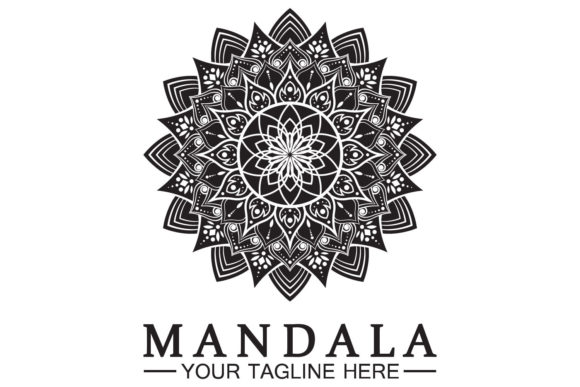
The core of the Mandala Ornament Vector lies in its structure. Derived from the Sanskrit word for "circle," these designs are inherently balanced, featuring symmetrical patterns that radiate from a central point. Whether you are dealing with abstract floral motifs, intricate ethnic lace textures, or bold tribal geometries, the vector format ensures scalability. This means your design remains crisp whether it is printed on a business card, displayed on a massive billboard, or used as a subtle background texture on a mobile app interface.
The Strategic Value of Visual Symmetry
Why should a decision-maker invest time in integrating mandala-inspired graphics into their workflow? The answer lies in psychology and perception. Human brains are wired to recognize patterns and symmetry. When a user encounters a well-designed mandala ornament, they experience an immediate sense of order and harmony. This subconscious reaction can be leveraged strategically to build trust and credibility.
For brands focused on wellness, meditation, yoga, or holistic health, the mandala is not just an aesthetic choice; it is a semantic signal. It communicates stability, focus, and inner peace before a single word is read. However, the utility extends beyond niche markets. In corporate environments, using stylized circular frames or ornamental borders can break up dense text, guide the reader's eye, and improve information retention. By utilizing the Mandala Ornament Vector as a structural element rather than mere decoration, you create a visual hierarchy that supports your content strategy.
- Enhanced Brand Recognition: Consistent use of a specific mandala style creates a unique visual signature, making your materials instantly recognizable.
- Improved Readability: Framing key data points or testimonials within an ornamental circle draws attention and separates important information from the noise.
- Cultural Resonance: Elements inspired by Indian, Arabic, or Asian traditions can add depth and authenticity to campaigns targeting diverse audiences.
Selecting the Right Motif for Your Objectives
Not all mandalas serve the same purpose. The vast array of available styles—from retro paisley prints to delicate henna-inspired lace—requires careful selection based on your specific goals. A strategic approach involves analyzing the emotional tone you wish to convey.
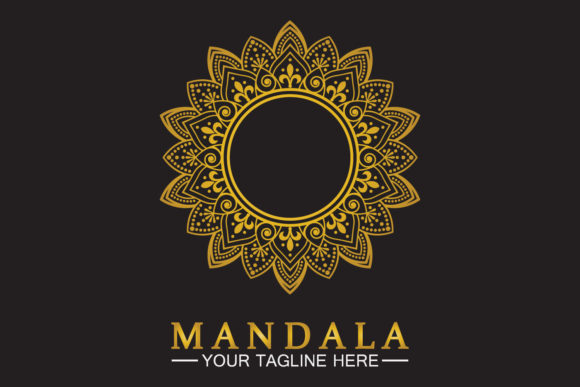
If your objective is to project luxury and heritage, consider a vintage-style mandala with intricate floral details. These elements evoke a sense of timeless elegance, making them ideal for wedding invitations, high-end packaging, or exclusive event branding. Conversely, if you are targeting a younger demographic or a modern tech startup, a simplified, geometric mandala with clean lines might be more appropriate. These designs communicate innovation and forward-thinking while maintaining the grounding effect of circular symmetry.
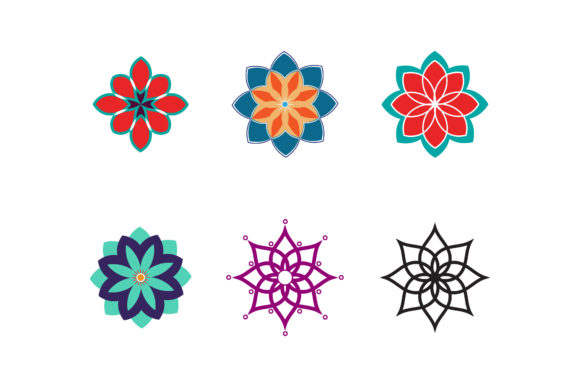
When working with abstract flower patterns or ornamental backgrounds, ensure the complexity matches the medium. A highly detailed illustration may look stunning on a poster but could clutter a small icon or a thumbnail image. The principle of isolation is key here; a vector allows you to extract specific elements, such as a single petal motif or a tribal border, and use them sparingly to accentuate rather than overwhelm.
Integrating Design into Operations and Marketing
Effective implementation of the Mandala Ornament Vector requires more than just downloading a file. It demands a plan. Start by auditing your current visual assets. Where do you lack cohesion? Where does the design feel flat or generic? Identifying these gaps allows you to deploy mandala elements strategically to fill voids and strengthen your overall narrative.
For bloggers and publishers, using a mandala as a section divider or a watermark can significantly enhance the reading experience. It adds a layer of polish that suggests attention to detail, which translates to perceived value in the content itself. Similarly, freelancers and agencies can use these vectors to create custom templates for clients. By offering a suite of cohesive designs that include matching frames, borders, and background textures, you increase your service offerings and provide clients with a comprehensive brand identity package.
In the realm of product design, the versatility of the Mandala Ornament Vector shines. Imagine applying a bohemian paisley pattern to fabric, a tribal motif to a tattoo stencil, or an oriental frame to a digital invitation. Because the files are vector-based, they adapt seamlessly to different materials and scales. This flexibility reduces production costs and streamlines operations, allowing you to maintain consistency across print, web, and physical merchandise.
Risks of Unintentional Application
While powerful, the misuse of these design elements can backfire. A common pitfall is over-decoration. Adding a mandala to every corner of a layout creates visual chaos rather than clarity. If the pattern competes with your primary message, the user will ignore both. The goal is support, not domination.
Another risk is cultural insensitivity. Many mandala designs have deep roots in Hindu, Buddhist, and Islamic traditions. Using sacred symbols in inappropriate contexts, such as casual party invitations or commercial products that contradict the values of the source culture, can lead to reputational damage. Always research the origin of the ornamental element you intend to use. Ensure that your application respects the cultural significance and aligns with your brand values.
Furthermore, relying too heavily on pre-made templates without customization can make your brand look indistinguishable from competitors. Just because a vector is popular does not mean it is right for your specific positioning. Customizing colors, adjusting the density of the pattern, or combining multiple elements (such as merging a sun motif with a floral center) helps create a unique visual language that cannot be easily replicated.
Building Long-Term Visual Equity
Strategic design is an investment in long-term results. By establishing a consistent use of the Mandala Ornament Vector, you contribute to the building of visual equity. Over time, customers begin to associate the specific style, color palette, and symmetry of your designs with your brand name. This association reduces cognitive load for the consumer, making them more likely to choose your product or service over others.
To maximize this benefit, create a design system. Define rules for when and how to use mandala elements. For example, reserve intricate lace patterns for premium tiers of your service, while using simple geometric circles for standard communications. Document these guidelines so that team members, freelancers, and partners can execute the vision consistently. This structured approach ensures that your marketing efforts remain coherent and professional.
Ultimately, the Mandala Ornament Vector is a bridge between art and strategy. It offers a way to infuse human creativity and cultural richness into digital and physical touchpoints. When used with intention, it transforms ordinary layouts into engaging experiences. Whether you are designing a meditation app, launching a wedding venue, or rebranding a retail store, the thoughtful integration of these patterns can elevate your work from functional to exceptional. The key is to view the mandala not as a random decoration, but as a deliberate tool for communication, planning, and achieving superior outcomes.
As you move forward with your projects, remember that the most effective designs are those that serve a clear purpose. Ask yourself: Does this pattern support my message? Does it enhance the user experience? Does it align with my brand's voice? By answering these questions, you ensure that every instance of the ornamental design contributes to your broader strategic goals, resulting in a cohesive, impactful, and memorable presence in your market.