Mandala for Blankets: Where Art Meets Comfort in Modern Living
In the realm of interior design and personal style, few elements command attention quite like a Mandala for Blankets. This intricate art form, rooted in ancient spiritual traditions, has transcended its ceremonial origins to become a cornerstone of contemporary textile design. Whether you are an entrepreneur looking to launch a new line of home goods, a hobbyist eager to master the art of quilting, or simply someone seeking to add a touch of vibrant life to your living space, understanding the evolution and application of mandala patterns is essential.
The convergence of geometric precision and organic fluidity found in these designs offers more than just visual appeal; it provides a sense of balance and harmony that resonates deeply with modern lifestyles. From the bustling city apartment to the quiet countryside garden, the presence of a mandala pattern transforms ordinary fabrics into statements of identity and creativity.
The Evolution from Spiritual Symbol to Design staple
Historically, the mandala served as a sacred diagram representing the universe, used in meditation and ritual across various cultures. Today, however, the concept has been reimagined through the lens of modern aesthetics. The transition from religious iconography to a versatile design element reflects a broader shift in how we interact with our surroundings. We no longer view textiles merely as functional items for warmth but as canvases for expression.
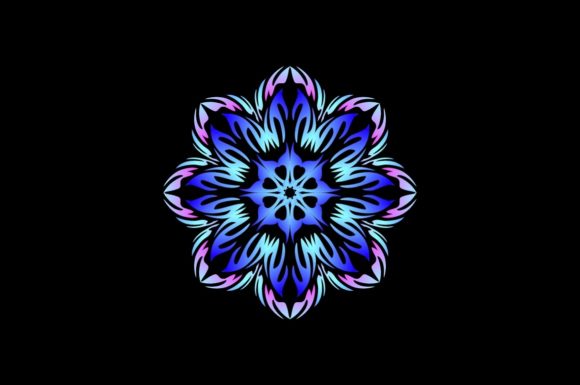
This evolution is evident in the way designers now blend traditional motifs with contemporary needs. A blanket featuring a floral mandala is no longer just a cover; it is a piece of art that can serve as a backdrop for photography, a statement rug in a bohemian living room, or a sophisticated accessory for travel. The intricate details, often characterized by concentric circles and radial symmetry, create a focal point that draws the eye, making them perfect for decor that needs to stand out without overwhelming a space.
The relevance of this trend lies in its ability to bridge the gap between nature and geometry. By incorporating elements like blossom, leaf, and flower into structured patterns, designers create a sense of organic growth within a rigid framework. This duality appeals to a generation that values both structure and spontaneity, order and chaos.
Crafting the Future: Trends in Textile and Quilting
For creators, quilters, and fashion enthusiasts, the integration of mandala designs into textiles represents a significant opportunity. The current market favors multicolor and vibrant palettes that evoke feelings of summer and joy. This is particularly true for products like shawls, scarves, and kerchiefs, where portability meets artistic expression.
- Seamless Patterns: In the digital age, the demand for seamless vector art has skyrocketed. Designers can now create infinite repeats of a mandala motif, ensuring that whether printed on a large carpet or a small bandana, the pattern remains consistent and professional.
- Patchwork and Patch Design: The resurgence of patchwork quilting has given new life to mandala designs. By breaking down complex circular patterns into square or diamond-shaped patches, artisans can construct intricate blankets that tell a story through color and texture. This technique allows for the use of ornamental scraps, turning waste into beauty.
- Vector and Illustration: High-quality vector graphics allow for crisp, scalable designs. This technology enables businesses to produce custom packaging, promotional materials, and product labels that feature detailed illustrations of plants and bouquets arranged in mandala formations.
The shift towards handmade and artisanal goods has further propelled this trend. Consumers are increasingly looking for items that feel unique and crafted with care. A stitched blanket featuring a hand-drawn fantasy mandala connects the user to the maker, adding emotional value to the physical object. This connection is crucial for freelancers and small business owners who rely on storytelling to differentiate their brands.
Practical Applications for Professionals and Hobbyists
The versatility of mandala designs extends far beyond the bedroom. For marketers and bloggers, these patterns offer rich visual content that performs well across social media platforms. The bright, symmetrical nature of a colorful mandala makes it highly shareable, capturing attention in crowded feeds. Businesses can leverage this by using mandala-themed imagery in their advertising campaigns, creating a cohesive brand identity that feels both grounded and imaginative.
In the world of fashion, the geometric yet nature-inspired aesthetic of mandalas fits perfectly with the growing interest in sustainable and ethically made clothing. A textile designer might create a collection of accessories—such as square scarves or shawls—that utilize ornate stitching techniques to highlight the complexity of the pattern. These items serve as conversation starters, reflecting the wearer's appreciation for art and culture.
For the DIY enthusiast, the possibilities are endless. Sewing a quilt with a mandala theme requires patience and precision, but the result is a heirloom-quality piece. The process itself can be meditative, mirroring the original intent of the mandala symbol. Whether you are working with fabric scraps or purchasing pre-printed materials, the act of assembling a pattern becomes a creative outlet that fosters mindfulness.
Selecting the Right Palette and Style
When choosing a mandala design for a specific project, context is key. A summer collection might call for lighter, airy colors with bright accents resembling a sunny garden. In contrast, a winter throw could feature deeper hues, perhaps incorporating dark green leaves and deep red flowers to evoke a cozy atmosphere. The choice between a realistic botanical illustration or a stylized geometric interpretation will also depend on the desired outcome.
Consider the intended use of the final product. A blanket for a child might benefit from playful, cartoonish elements, while one for a luxury hotel lobby should lean towards elegant, understated elegance. The key is to ensure that the design enhances the function rather than detracting from it. A busy pattern might be overwhelming if used on every surface in a room, so balancing it with solid colors is often a wise strategy.
Integrating Technology and Tradition
The intersection of technology and tradition is perhaps most visible in the production of mandala textiles. Digital printing technologies allow for the reproduction of highly detailed art that would be impossible to achieve by hand alone. This democratization of design means that small studios can compete with larger manufacturers, offering niche products to a global audience. Entrepreneurs can now source high-resolution vector files, customize them for specific dimensions, and print them on-demand, reducing waste and inventory costs.
Furthermore, the rise of online communities has fostered a collaborative environment where ideas are shared freely. Bloggers and educators can publish tutorials on how to create sewing patterns based on mandala principles, helping others learn the craft. This exchange of knowledge strengthens the community and ensures that the art form continues to evolve. It also provides a platform for discussing the cultural significance of these designs, promoting respect and understanding.
As we look to the future, the mandala is poised to remain a relevant and powerful design element. Its ability to adapt to changing trends while maintaining its core essence of unity and wholeness makes it timeless. Whether it appears as a decoration on a pillow, a print on a shirt, or a motif on a bag, the mandala continues to inspire creativity and bring people together.
Conclusion: Embracing the Pattern
The journey of the mandala from a spiritual tool to a ubiquitous design feature illustrates the dynamic nature of human creativity. It reminds us that beauty can be found in complexity and that simplicity can emerge from chaos. For anyone involved in the worlds of design, fashion, or crafting, embracing the mandala offers a pathway to innovation and meaningful connection.
By understanding the nuances of pattern, color, and texture, professionals and hobbyists alike can create products that resonate with consumers on a deeper level. Whether you are designing a new line of home decor or simply updating your own wardrobe, let the mandala guide your vision. Let the flower bloom, the leaf unfurl, and the circle complete itself in your next creative endeavor.