Abstract Black and White Background: A Versatile Design Element for Modern Creativity
The abstract black and white background is a powerful design asset that transcends traditional boundaries, offering a minimalist yet dynamic visual foundation. Whether used as a wallpaper, graphic element, or decorative pattern, this design style brings a sense of elegance, geometry, and modernity to any project. Its monochrome nature allows for seamless integration with other colors and elements while maintaining a clean, professional aesthetic. This article explores how the abstract black and white background can be effectively utilized across various workflows and creative processes.
Understanding the Abstract Black and White Background
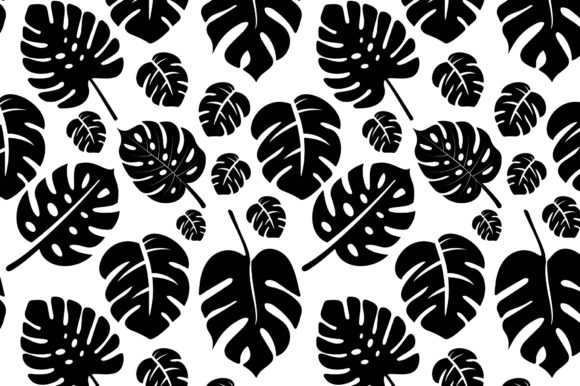
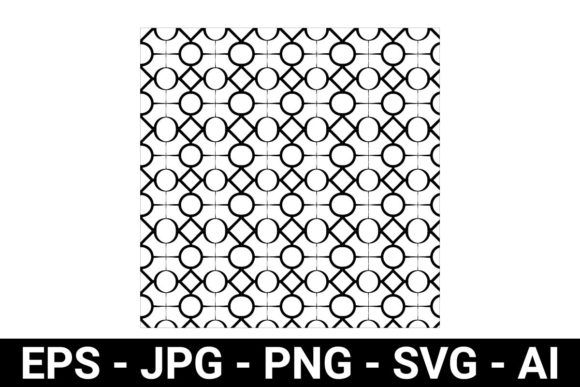
An abstract black and white background typically features geometric shapes, continuous lines, grids, and ornate patterns arranged in a way that creates visual interest without overwhelming the viewer. These backgrounds are often created using vector-based tools like Adobe Illustrator or free alternatives such as Inkscape. The result is a versatile, scalable artwork that can be applied to digital and print media alike.
This type of background is especially useful for those who want to maintain a high level of design quality while keeping their visuals simple and uncluttered. It’s ideal for use in fashion, web design, branding, and even interior decoration where a subtle but impactful backdrop is needed.
Where Does the Abstract Black and White Background Fit?
The abstract black and white background can be incorporated into multiple stages of a creative or business workflow. Before starting a project, it can serve as a mood board or reference point for color schemes and layout ideas. During the design process, it acts as a neutral canvas that allows other elements—text, images, icons—to stand out more clearly. After the initial design is complete, it can be used as part of the final presentation or as a repeating texture in printed materials.
For example, a marketer might use an abstract black and white background as a banner for a website landing page, ensuring that the content remains the focal point. Similarly, a textile designer could incorporate this pattern into fabric prints, creating a modern, elegant look that appeals to a wide audience.
Integration with Other Tools and Resources
The versatility of the abstract black and white background makes it compatible with a variety of tools and platforms. As a ZIP folder containing AI, EPS, SVG, JPG, PNG formats, it offers flexibility in terms of file usage. Designers can easily import these files into graphic design software such as Photoshop, Illustrator, or even Canva for quick edits and customizations.
When working on a digital project, the abstract black and white background can be used as a base layer in a layered design approach. This method ensures that all other elements remain editable and can be adjusted independently. For instance, a web developer may use this background as a base for a responsive website, ensuring that the design remains consistent across different screen sizes.
Practical Implementation Tips
To make the most of an abstract black and white background, consider the following practical tips:
- Use it as a placeholder: When designing a layout, start with an abstract black and white background as a placeholder. This helps you focus on the structure and flow of the design before adding color or other elements.
- Experiment with repetition: Many abstract backgrounds are designed to repeat seamlessly. Test this feature by applying the pattern to a larger canvas to ensure there are no visible seams or disruptions.
- Combine with other textures: Layering an abstract black and white background with subtle textures like fabric or paper can add depth and dimension to your design.
- Optimize for different mediums: If you plan to use the background in both digital and print formats, ensure that the resolution and file format are appropriate for each medium. Vector files (like SVG and EPS) are best for scalability, while raster formats (like PNG and JPG) are suitable for web use.
Workflow Examples and Use Cases
The abstract black and white background can be integrated into various workflows depending on the user's needs. Here are a few examples:
- Web Design: As a banner or hero section background, it provides a sleek, modern look that complements minimalistic design trends. It also allows for easy customization with overlays, text, or icons.
- Print Media: Used in magazine layouts, book covers, or packaging designs, this background adds a touch of sophistication without overpowering the content.
- Interior Decor: Printed as a wallpaper or fabric pattern, it can transform a space with its elegant and timeless appeal. It pairs well with neutral tones and modern furniture.
- Graphic Design Projects: Ideal for logos, posters, and social media graphics, it offers a clean and professional look that works well with both bold and subtle branding elements.
Factors to Consider for Long-Term Use
When incorporating an abstract black and white background into your projects, it's important to consider factors like preparation, compatibility, and long-term usability. Ensure that the files you download are of high quality and compatible with the software you're using. Additionally, organize your assets in a structured manner so that they’re easy to access and reuse in future projects.
Consistency is key when using this type of background across multiple platforms or projects. Establish a naming convention and storage system that aligns with your workflow. This will help streamline your design process and reduce the time spent searching for the right assets.
Lastly, always keep an eye on the latest design trends and updates in the industry. While the abstract black and white background is a classic choice, staying informed about new styles and techniques can help you adapt your designs to meet evolving standards and preferences.
Conclusion
The abstract black and white background is more than just a design element—it’s a versatile tool that can enhance the aesthetics and functionality of a wide range of projects. Whether you're a professional designer, a small business owner, or a hobbyist, integrating this background into your workflow can elevate your work and provide a cohesive, elegant look. By understanding how to use it effectively and combining it with other design elements, you can create visually stunning results that resonate with your audience and achieve your goals.